Education · July 12, 2024
Empowering Classrooms with the Jigsaw Collaborative Method: A Trainer's Perspective
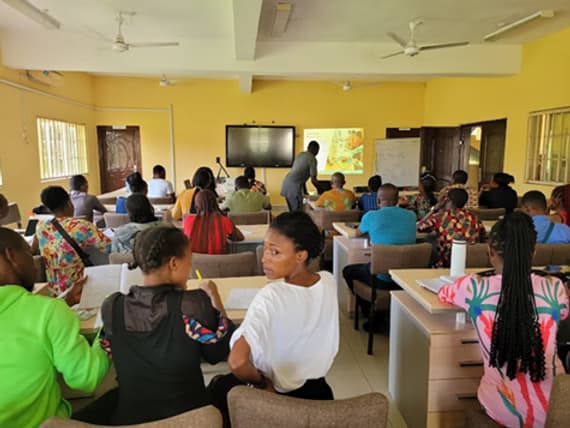
As an education consultant and trainer, I have had the privilege recently of modelling the Jigsaw Collaborative Method during several teacher training workshops.

Carol Barlow
CEO CEBAR Consultancy · 5 min read
As an education consultant and trainer, I have had the privilege recently of modelling the Jigsaw Collaborative Method during several teacher training workshops. It is one thing to read about a teaching strategy and quite another to experience it in action. The Jigsaw Method, originally developed by Elliot Aronson in 1971, encourages collaboration, accountability, and student engagement. Watching teachers embrace this method during workshops not only highlighted its effectiveness but also brought out the enjoyment and enthusiasm that comes with its hands-on approach.
When I introduced the Jigsaw Method to groups of teachers during training sessions, it quickly became clear that this was a game-changer. The atmosphere in the room shifted - teachers were excited, engaged, and, perhaps most importantly, having fun. As they participated in the method themselves, they could see the potential it held for transforming their own classrooms.
Here’s what I observed after modelling the Jigsaw approach:
Teachers Become Facilitators: One of the most immediate impacts was the shift from traditional instruction to facilitation. Teachers saw how, by adopting the Jigsaw Method, they could step back and let their students take the lead. They appreciated the new role of guiding learners rather than dictating the pace and content of the lesson.
Full Engagement for All Teachers (and Students!): During the workshops, every teacher had a role, and none could sit back passively. The quieter, more reserved participants became active contributors, as the structure of the Jigsaw Method ensures that everyone has a piece of the learning puzzle. This sparked conversations about how it would help engage their quieter students back in the classroom.
Inclusion and Learning for All: Teachers quickly recognised that the Jigsaw Method would help them include all learners, regardless of their abilities or starting points. The emphasis on group interdependence meant no student could be left behind. This inclusive approach resonated with the educators, especially those working in diverse classrooms with varying abilities.
Deep Learning in Expert Groups: The teachers took on the role of “experts” within their groups, diving deep into specific topics before returning to share their knowledge with others. The depth of learning that took place in the expert groups was impressive, as they had to thoroughly understand their topic to teach it effectively to their peers. Teachers saw how this model would encourage their students to engage deeply with content and take ownership of their learning.
The Fun and Excitement: One of the most rewarding parts of the workshops was witnessing the sheer enjoyment teachers experienced. The collaborative nature of the Jigsaw Method fostered a sense of fun and curiosity, which would no doubt translate into their classrooms. Many remarked on how this method could break the monotony of traditional teaching and reinvigorate their lessons.
Challenges of the Jigsaw Method
Despite the excitement and clear benefits, the teachers also encountered some challenges, which mirror those I experienced when using the Jigsaw Method in my own practice:
Time Management: Teachers found that the Jigsaw Method took longer than expected, from forming groups to ensuring each group completed its work. While it offers deep learning, the process can be time-consuming without proper management.
Planning Time: Creating or gathering appropriate resources for the expert groups was another challenge. Teachers realised that preparing effective Jigsaw lessons requires a greater investment in planning than traditional methods.
Uneven Confidence in Topics: Some participants expressed concerns that while they felt confident in the material they studied in their expert groups, they were less confident about topics taught to them by peers. This highlighted a potential issue when using this method in the classroom - students may not fully grasp topics they didn’t research themselves.
Strategies to Overcome the Challenges
During the workshops, we discussed several strategies that could help alleviate these challenges:
Careful Time Structuring: To keep the Jigsaw Method on track, it’s essential to have a clear schedule, dividing time between expert group work, home group sharing, and whole-class discussions. Teachers who had timers found it easier to keep the sessions moving and avoid spending too much time on any one phase.
Providing Supplementary Materials: Teachers suggested offering supplementary materials to students after the Jigsaw activities to ensure they had a thorough understanding of all topics. These could be summaries or additional resources to reinforce what was shared in the home groups.
Rotating Expert Roles: By rotating expert roles over multiple lessons, students could have the chance to become well-versed in more than one topic, which would help balance their confidence across all content areas.
What Has Been Your Experience?
I’d love to hear from educators who have used the Jigsaw Method in their classrooms or during training sessions. What have been your experiences? Did you find it enjoyable and effective? How did your students respond? Please share your thoughts and experiences in the comments below.
Ready to Implement Jigsaw in Your Classroom?
If you’re inspired to try the Jigsaw Method and would like further guidance, contact CEBAR Consultancy and Training Services at 0909 582 6558. We offer tailored workshops to help teachers implement collaborative learning methods that engage every student and bring excitement back into the classroom. Let’s work together to create a more dynamic, inclusive, and collaborative learning environment!
- Teaching
- Jigsaw Method
- Collaboration
- Classroom
Written by
Carol Barlow
CEO CEBAR Consultancy